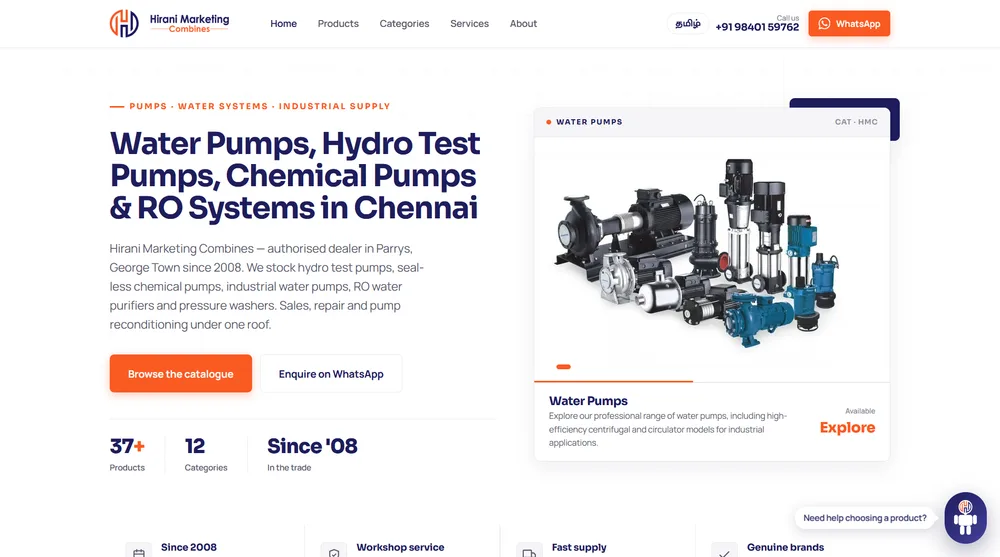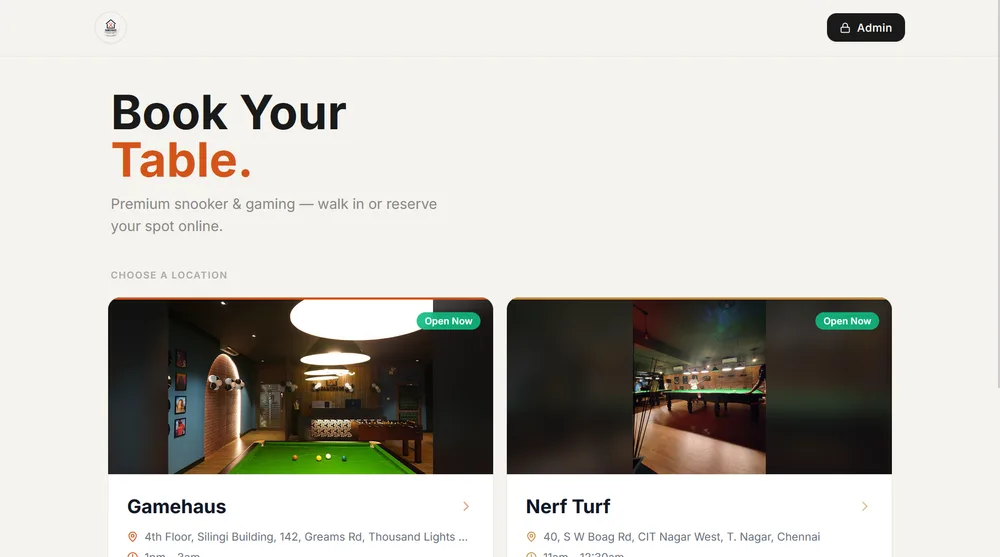

Catalogue and categories
A product range customers can explore without requesting another file. Categories follow how buyers look for products, with a structure your team can manage as the range changes.
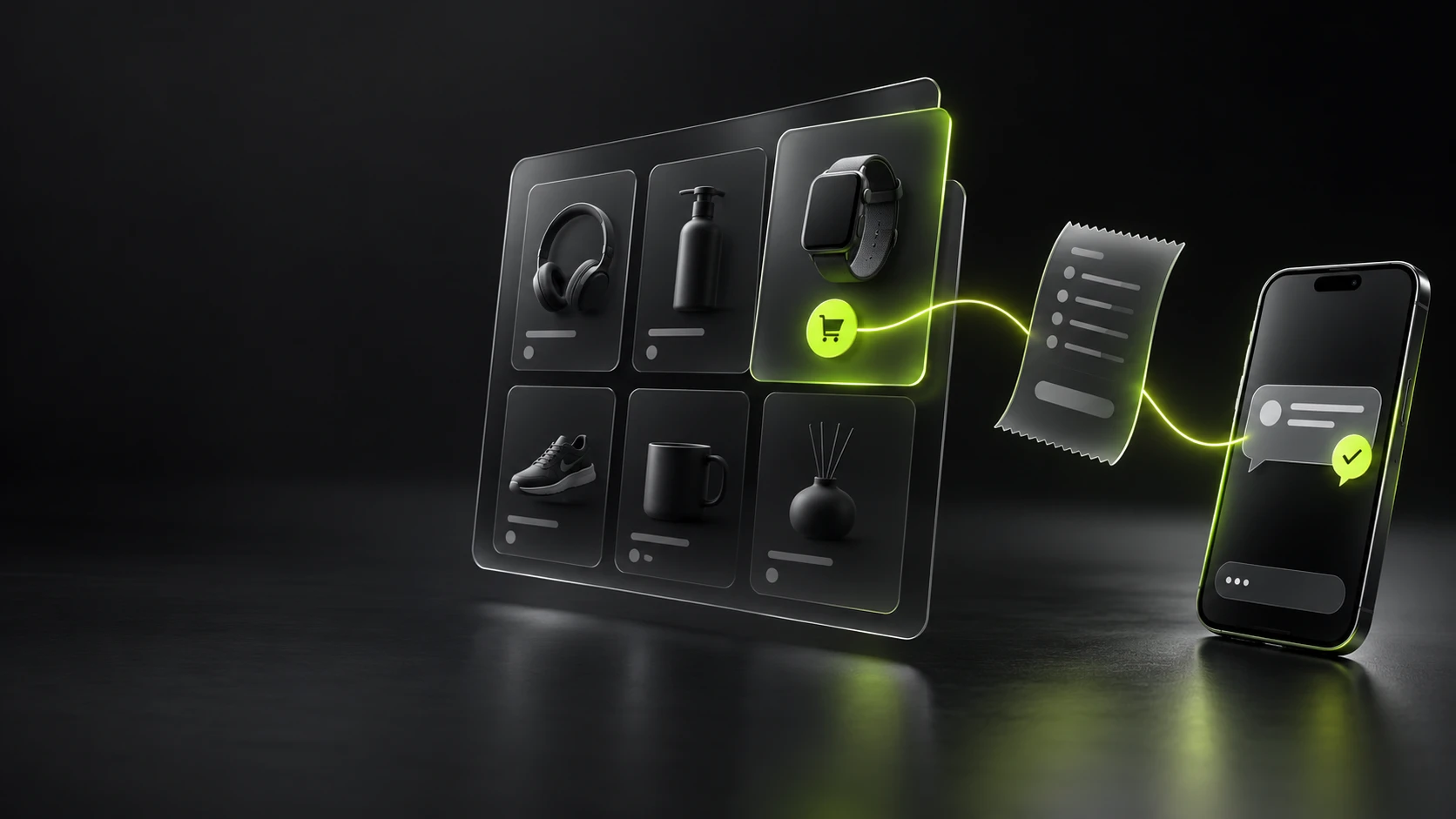
Turn product browsing into enquiries or paid orders. We build custom catalogues for quote requests and online stores with payments, GST invoices and WhatsApp alerts. Our Chennai team works with businesses across India and overseas, starting with how your customers buy.
Requests arrive through calls, WhatsApp and messages, with details in different places. Your team has to piece together what the customer wants before it can confirm an order or follow up.
Sending another PDF or a collection of photos makes buyers work to compare products. A structured catalogue gives them an address to browse, find details and ask about the right item.
After a payment, somebody still prepares the invoice and works out the tax details. Re-entering order information takes attention away from customers and makes checking every document harder.
Platform subscriptions and paid extras can add up. When the customer journey sits elsewhere, you have less control over it. Compare the running costs and flexibility before choosing how to sell online.
Catalogue or online store?
Browse categories and product pages, then send an enquiry with the product attached. Your team discusses the requirement before confirming the sale.
Choose products, add them to a cart and pay at checkout. The purchase can be completed without discussing the final price.
Payment is agreed after your reply. The website starts the conversation; an enquiry does not become a payment or an accepted quote.
Pay through a gateway at checkout. We test the payment journey and the confirmation following a successful payment.
B2B, bulk and made-to-order products where quantities or buyer requirements affect the price. A conversation helps customers choose.
Fixed-price retail and D2C products. Buyers can decide from the product page, with a clear price and straightforward purchase journey.
WhatsApp alert, automatic customer acknowledgement and an enquiry logged for follow-up. Your team replies with the details or quote.
GST invoice, WhatsApp alert and an order in the admin panel. Your team can see the purchase without rebuilding its record from messages.
Product catalogue from ₹29,999, excluding GST. We confirm the product range, enquiry flow and design scope in a written quote.
Custom online store from ₹79,999, excluding GST. The quote covers the agreed catalogue, checkout, invoice and order-management scope.
What we build in
A catalogue leads to an enquiry; a store adds cart, checkout and invoices. Both help customers explore your range. The written scope matches these features to the offer you choose.
A product range customers can explore without requesting another file. Categories follow how buyers look for products, with a structure your team can manage as the range changes.
Photos, descriptions, specifications and relevant variants in one place. Clear details help buyers compare options and send specific enquiries, rather than simply asking what you sell.
Catalogue requests keep the product attached. We agree what information your team needs for a useful conversation, such as the quantity or a specific requirement.
Store checkout connected to a gateway such as Razorpay. Available payment methods depend on the gateway; the purchase journey and payment confirmation are tested before launch.
An invoice per store order, with CGST, SGST or IGST from the agreed tax details. Your accountant checks the format and configuration before launch.
Add products, edit details and change prices in one place. Online stores also show orders there, connecting the information your team manages to the customer-facing pages.
Browsing, forms and checkout designed for phones and desktop. Image weight, loading and key actions are checked so customers can use the site on everyday devices.
Titles, descriptions, structured data and a sitemap built in. Useful product information helps search engines understand the pages; clear category links help customers explore the range.
Included with every store
A paid order should not trigger another round of copying information between tools. We connect payment confirmation, the invoice, a WhatsApp alert and the order record. Catalogues use the enquiry version: your team gets a WhatsApp alert, the customer gets an automatic reply and the lead is logged. Follow-up workflows and business-system integrations can extend either journey as separately agreed additions.
The gateway handles the payment and its confirmation. The store uses that result to identify the paid order, keeping the payment step connected to the products and customer details submitted at checkout.
The order details flow into the invoice without someone typing them again. Tax is worked out from the approved product configuration, with the invoice format checked alongside your accountant before launch.
A message brings the new order to the channel your team checks. The relevant details are included so they can act on the paid order instead of searching through separate payment and customer messages.
The order is recorded in the admin panel and logged to a sheet for your team. We agree the fields and destination, then test the whole sequence so the record matches the purchase.
Pricing
These prices separate a catalogue with enquiries from a store with checkout. After a free consultation, you receive a written quote for the products, design and features your business needs.
From₹29,999
For businesses that want customers to browse products and start a useful enquiry or quote request. There is no cart or online checkout in this offer.
From₹79,999
For products customers can choose and pay for online. A custom build connects the catalogue, checkout, invoices and order records into one customer journey.
Prices exclude GST. Third-party costs such as domains, hosting, payment gateway fees and WhatsApp messaging charges are separate from our fee.
How it works

Step 01
We learn what you sell and how customers buy. First we choose between a quote conversation and checkout, then agree the product range and features.

Step 02
We plan categories, product pages and the enquiry or checkout journey. You approve mobile and desktop designs before development, so the buying process shapes the layout.

Step 03
We build the catalogue, admin panel and automation. Stores add payments, GST invoices and order records, following the approved design and written scope.

Step 04
We load product information and test on phones and browsers. Stores get real test payments and invoice checks; catalogue requests are checked through to your team.

Step 05
After approval, we launch and check the live journey. Your team gets the agreed access. If a bug or crash appears after launch, we fix it.
Why we build stores custom
Custom e-commerce website development lets us shape the buying journey and connect business processes. It also means a larger upfront project, so we explain when a simpler route would be more sensible.
No platform plan or paid-app stack for standard store features. Custom costs more upfront; hosting, gateway fees, messaging and agreed third-party services still need a budget. Those costs are separated from the build quote.
Payment confirmation, GST details and invoices form one flow, shaped around how your business records orders. Tax configuration is reviewed before launch, rather than added as an afterthought.
Quote requests and buyer-specific pricing can need a different journey. We scope features around your sales process, rather than forcing an enquiry-led business into a standard retail checkout.
A tight budget, simple retail range and urgent launch can favour a hosted builder. If standard features cover the need, custom may be unnecessary. We will say so, even though we do not build on those platforms.
Buyer's guide
When comparing an ecommerce website development company in Chennai or elsewhere, ask how the site will support customers and your team. Assess the evidence, editing tools and costs before approving the proposal.
They ask how your customers buy
Catalogues and checkout stores solve different problems. The developer should understand your pricing and sales process before quoting.
They test orders and payments
Ask how payment confirmation and order records are tested before launch. A working-looking checkout is not enough.
Your accountant checks the invoice
Agree the invoice format and product tax details before launch. The build should use approved information from the start.
You can manage products yourself
Ask to see how products and prices are edited through the admin panel. Everyday catalogue changes should have a clear route for your team.
Ownership and costs are written down
Confirm whether this is a one-time project or a subscription, what access you receive and which ongoing costs sit outside the build fee.
A template sold as a custom build
Ask what is actually being designed and developed for your business. The proposal should distinguish a tailored customer journey from a ready-made layout.
No test orders before launch
Product pages are only part of a store. Payments, invoices, alerts and order records need to be checked together before customers use them.
Every product edit needs the developer
If changing a price means raising a request, the site may become difficult to run. Agree the editing tools as part of the scope.
Running costs appear after the quote
Gateway fees, hosting and messaging charges affect your budget. They should be discussed before you approve the build, rather than discovered after launch.
Big claims instead of work you can inspect
Ask for live examples and a clear explanation of what was built. Unverifiable figures tell you less than a product journey you can try yourself.
Our promises
If a bug or a crash shows up after your site goes live, we fix it. Launch is not where our responsibility ends.
One-time builds: the code, domain and accounts are yours. Subscription plans: we host and maintain it for you. Either way, it is written down before we start.
Starting prices are published on this page, and you get a written quote for your exact scope before any work begins.
FAQ
Catalogues from ₹29,999; custom stores from ₹79,999, excluding GST. Products, pricing rules and integrations affect the total. After a free consultation, your written quote lists inclusions and separate third-party costs.
Choose a store for fixed-price products paid for online. Choose a catalogue for quotes, bulk quantities or buyer-specific requirements. We discuss how your customers buy before recommending either.
No. We build custom catalogues and online stores, with the customer journey, admin panel and agreed invoice flow developed for the project. A hosted builder may be better for a simple retail range and a tight budget; we will tell you when custom development is unnecessary.
UPI, cards and net banking through a gateway such as Razorpay, depending on availability for the project. We set up and test checkout and payment confirmation. Gateway fees are separate.
Yes, one per order using configured tax details. We check the format and product tax information with your accountant before launch, including CGST, SGST or IGST as applicable.
Yes. Your team can add products, edit details and change prices through the admin panel. Stores also show orders there. Editing needs are agreed during planning.
Yes. Catalogue requests include the selected product. Your team gets a WhatsApp alert, the customer gets an automatic acknowledgement and the lead is logged. That offer does not include checkout.
The range, features and product data readiness determine the timeline, which comes with your quote. A ready spreadsheet, photos and descriptions help keep the agreed work on schedule.
One-time projects: the code and agreed accounts belong to you. Subscription plans: Airbil hosts and maintains the site and retains the code. Ownership and access are agreed in writing before starting.
We include titles, descriptions, structured data and a sitemap to help search engines understand the pages. Indexing and rankings are not guaranteed; product content and competition also affect visibility.
Yes, as a separately quoted integration. We agree which order or invoice information passes between systems and how it will be tested. It is not automatically included in the starting price.
Ready to start
Tell us what you sell and how your customers buy today. We will discuss whether a catalogue or checkout store fits, then provide a written quote after a free consultation. Start with a clear buying journey, rather than a platform chosen before the conversation.